What is Safety Stock? Formula, Examples, and Optimization
TL;DR: Safety stock is extra inventory a company holds to prevent stockouts caused by unexpected demand spikes or supplier delays. It acts as an insurance policy for your supply chain, ensuring continuous fulfillment even when the unexpected happens.
In supply chain and warehouse management, finding the “right” inventory level is a constant challenge. Holding just enough stock keeps costs low, but running out of stock costs you customers. This is where safety stock comes into play.
What is safety stock?
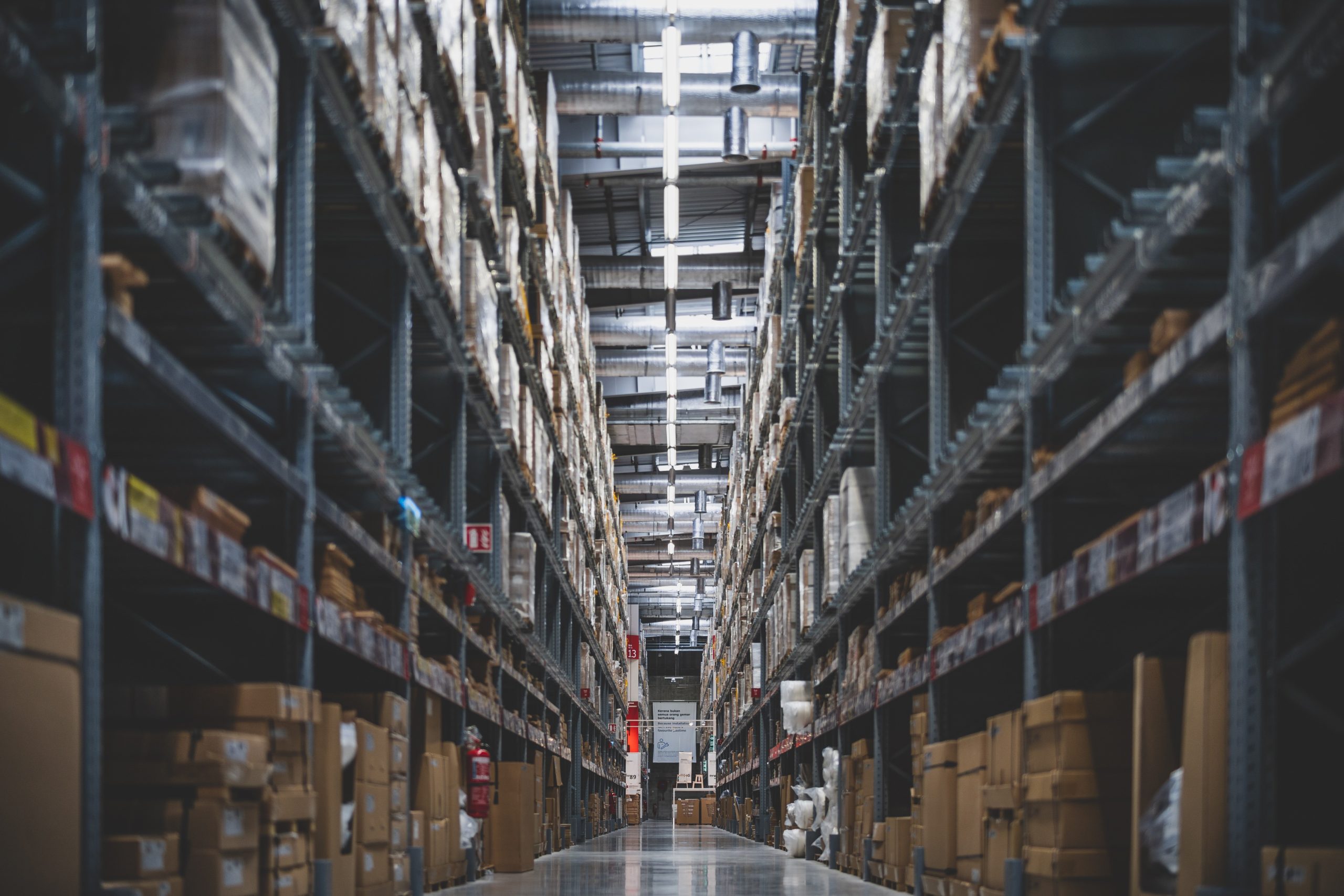
Safety stock is an extra quantity of a product kept in storage to act as a buffer against fluctuations in demand or supply. If your normal inventory is depleted faster than expected, or if your next shipment is delayed, safety stock ensures you can still fulfill customer orders without interruption.
A simple safety stock example
Imagine you manage a distribution center for automotive components, such as brake pads.
- Your expected weekly outbound volume is 200 pallets.
- Your upstream supplier usually takes 2 weeks to deliver a new batch.
If everything goes perfectly, you only need to order based on those exact numbers. But what if a major auto repair chain places a sudden bulk order, causing demand to jump to 300 pallets in a single week? Or what if a port strike delays your supplier’s ocean freight by an extra week?
To protect your business, you decide to keep an extra 100 pallets of brake pads in storage at all times. Those extra 100 pallets are your safety stock. Without them, you would face a critical stockout.
Safety stock vs. buffer stock
You will often hear the terms “safety stock” and “buffer stock” used interchangeably. In daily warehouse operations, they essentially mean the same thing: extra inventory. However, in strict supply chain theory, there is a subtle difference:
- Buffer Stock: Typically held to protect against sudden surges in internal customer demand (e.g., your clients order more than expected).
- Safety Stock: Typically held to protect against unexpected disruptions in external supply (e.g., your supplier’s factory breaks down).
In practice, both serve the same ultimate goal: keeping your supply chain moving.
Why is safety stock important?
No supply chain is perfect. Companies use safety stock as a defense mechanism against real-world unpredictability, including:
- Sudden demand spikes: Unexpected marketing success, seasonal shifts, or competitor stockouts driving bulk orders to your facility.
- Supplier delays: Manufacturing errors, raw material shortages, or simple miscommunications at the factory level.
- Shipping and logistics problems: Customs holds, port strikes, extreme weather, or truck driver shortages.
- Forecasting errors: Software or human miscalculations in predicting future inventory trends.
How to calculate safety stock
While large enterprises use complex statistical algorithms (like normal distribution models), most businesses start with a standardized, reliable formula to determine their baseline safety stock.
The basic safety stock formula
The most common simplified formula is:
Safety Stock = (Max Daily Usage × Max Lead Time) − (Average Daily Usage × Average Lead Time)
Where:
- Max Daily Usage: The highest number of units or pallets you have shipped in a single day.
- Max Lead Time: The longest time (in days) a supplier has taken to deliver.
- Average Daily Usage: Your normal, expected daily outbound volume.
- Average Lead Time: The normal, expected delivery time from your supplier.
Calculation Example: Going back to our automotive brake pads. Let’s say:
- Max Daily Usage = $ 50 $ pallets
- Max Lead Time = $ 20 $ days
- Average Daily Usage = $ 30 $ pallets
- Average Lead Time = $ 14 $ days
Safety Stock = (50 × 20) − (30 × 14) Safety Stock = 1000 − 420 = 580 pallets
Your ideal safety stock level is 580 pallets.
Risks of too much or too little safety stock
Finding the right safety stock level is a critical balancing act for inventory planners. Getting the math wrong poses significant risks to the business:
| Safety Stock Level | Business Risks |
| Too Little | Lost sales, angry B2B clients abandoning your brand, halted production lines (if raw materials run out). |
| Too Much | Higher storage and holding costs, critical cash flow tied up in stagnant inventory, risk of products becoming obsolete or expiring. |
Managing inventory effectively with Atomix Robotics
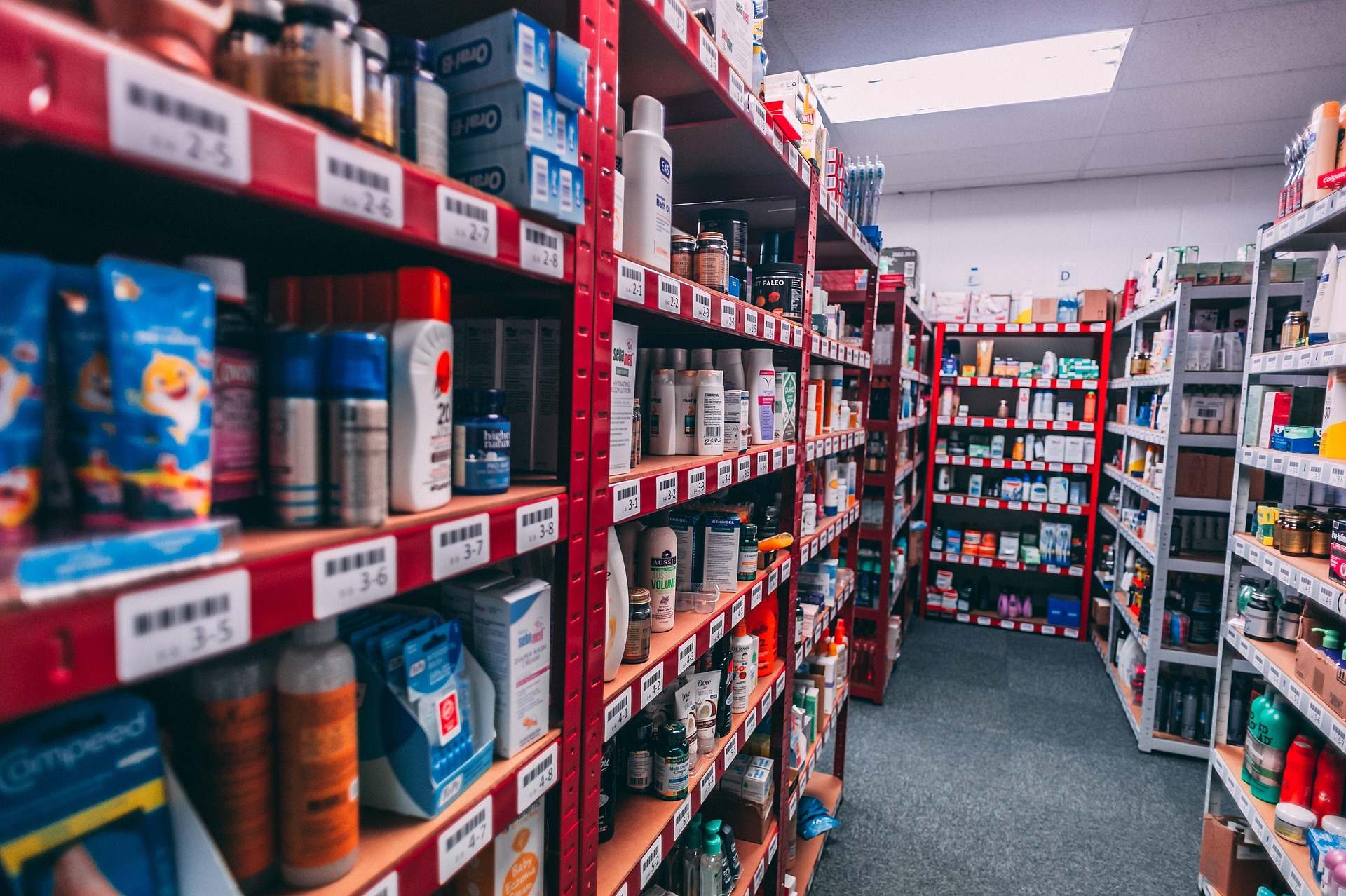
No matter how accurately you calculate your safety stock formulas, those numbers are useless if your warehouse cannot track physical inventory accurately. Successful inventory planning requires a foundation of precise, real-time data.
This is where Atomix Robotics helps businesses thrive. While we do not calculate your safety stock for you, our intelligent Atomixer Software Platform provides the ultimate inventory management foundation. By seamlessly connecting with your WMS/ERP systems and orchestrating a fleet of automated Pallet Shuttles and AMRs, Atomixer ensures that your inventory counts are 100% accurate, 24/7. When your physical storage is digitized and error-free, managing buffers and preventing stockouts becomes effortless.
Contact Atomix Robotics to learn how our software and automated solutions can optimize your warehouse management.