The Ultimate Guide to Warehouse Automation Systems in 2026
We all know the feeling. You look out over the warehouse floor, and it’s pure chaos.
Labor shortages are hitting hard right now. Operational costs are climbing higher every single quarter. Meanwhile, your customers expect their orders delivered yesterday. It’s stressful, and relying on manual spreadsheets or outdated forklifts just isn’t cutting it anymore.
You aren’t alone in this struggle. Supply chain leaders everywhere are desperately looking for ways to build resilience and speed up order fulfillment.
The good news? The solution is already here. The warehouses of the future aren’t just loud, clunky, mechanized buildings. They are highly intelligent, AI-driven hubs.
In this guide, we’ll break down exactly what modern warehouse automation systems look like. We will explore the different types of robotics available, show you how to choose the right tech stack, and explain the massive ROI you can expect.
Let’s dive in and fix those bottlenecks.
What Actually is an Automated Warehouse System?
If you search online for “what is an automated warehouse,” you’ll find a lot of highly technical jargon. Let’s keep it in plain English.
Simply put, automated warehouse systems use a mix of smart robotics, advanced software, and moving machinery to handle your inventory. The goal is to do the heavy lifting—literally and figuratively—with minimal human intervention.
Think about the old days. Legacy setups relied on massive, rigid conveyor belts bolted to the floor. If your business changed, you were stuck. You couldn’t just move a massive steel track.
Today, things look totally different. We’ve shifted toward flexible Autonomous Mobile Robots (AMRs). These smart machines navigate freely around your floor, adapting to your layout without needing physical tracks. They work with your human team, making everything faster and safer.
AI Driven Warehouse Automation: A Comprehensive Review of Systems
To truly understand the power of this tech, we need to look under the hood. An ai driven warehouse automation a comprehensive review of systems usually breaks down into three main functional areas.
Here is how they work together to handle your goods from receiving to shipping.
1. Reclaiming Space with AS/RS
Running out of floor space is a massive headache. Before you lease a brand new building, look up.
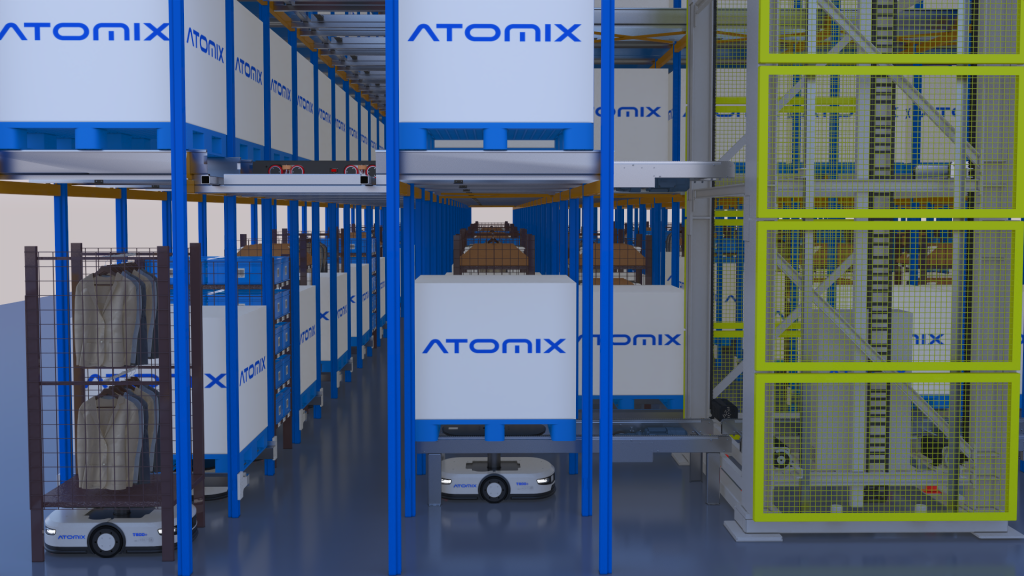
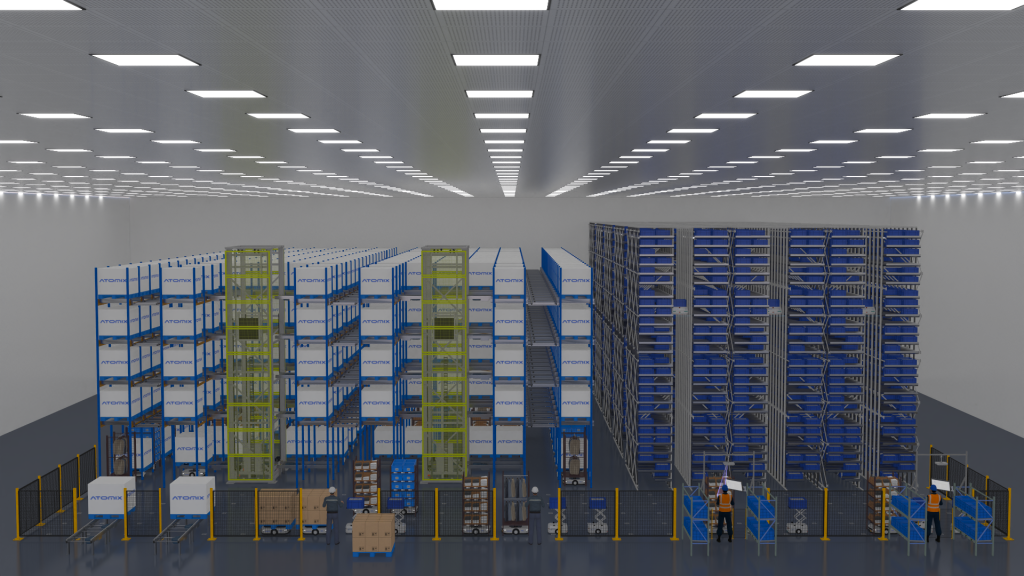
Using automated storage systems in warehouses completely flips the script on how you store inventory. Technologies like pallet shuttles and bin storage systems maximize your vertical space. They pack items tightly together, creating incredible storage density.
Instead of wide aisles for manual forklifts, robots glide effortlessly through narrow racks. If you want to see this in action, check out how our Atomix Storage Mix maximizes utilization for mixed pallets and bins.
2. Moving Goods Safely
Moving pallets from point A to point B sounds simple. But when you factor in human error, fatigue, and forklift accidents, it becomes a major bottleneck.
This is where automated material handling steps in.
Smart AMRs transport materials safely across your facility. They use sensors to dodge obstacles and take the most efficient routes. It is a massive upgrade from traditional forklifts.
Solutions like the Atomix Handling Mix handle various container types without breaking a sweat.
3. Smarter Order Fulfillment
Order picking is usually the most labor-intensive job in any facility. Workers spend hours walking miles across concrete floors just to grab a single item.
Warehouse automated picking systems change the game using the “Goods-to-Person” concept.
You don’t send a worker to the shelf anymore. The robot brings the shelf directly to the worker. This single change drastically improves picking accuracy and skyrockets your daily throughput. You can configure setups like the Atomix Picking Mix to handle full-category picking flawlessly.
The Core Integrator: Why Software is the Real Game-Changer
Here is a hard truth. You can buy the most expensive robots in the world, but hardware is totally useless without a brain to control it.
You need a powerful Warehouse Control System (WCS) to direct traffic.
Imagine having different types of robots from different brands trying to work together. Without a central brain, they would crash into each other or sit idle. This is why software is the actual game-changer.
Take the Atomixer Software, for example. It seamlessly orchestrates heterogeneous robots. It uses over 50 deep learning algorithms to optimize routes, assign tasks, and predict where traffic jams might happen before they even occur. It turns a fleet of individual machines into one highly coordinated swarm.
How To Choose Automation System For Warehouse Efficiency
You can’t just throw money at robots and hope your problems disappear. You need a strategy.
If you are wondering how to choose automation system for warehouse efficiency, grab a pen. Here is your step-by-step checklist:
- Assess Your True Bottlenecks: Don’t guess. Look at your data. Is your biggest issue running out of storage space? Is your picking speed too slow? Are labor costs eating your margins? Pinpoint the exact bleeding wound first.
- Evaluate Scalability: Business isn’t static. Choose modular systems that can scale up during peak seasons. Avoid fixed, rigid infrastructure that locks you in.
- Consider Retrofitting: You absolutely do not need to build a brand new facility to get automated. The top companies retrofitting old warehouses modern automation systems use flexible AMRs because they adapt to your existing floor plan and racking.
- Demand Software Compatibility: Check with your IT team. Ensure the new robotic fleet can speak directly with your existing ERP or Warehouse Management System (WMS).
Frequently Asked Questions (FAQs)
We hear from supply chain directors every day. Here are the most common questions people are asking across forums like Reddit and Quora right now.
How do I automate my warehouse?
Start small and scale up. You definitely don’t need to automate your entire building on day one. Identify your most labor-intensive process—usually order picking—and implement a small fleet of flexible AMRs to handle it. Once you see the ROI, expand the system.
How do automated systems improve warehouse efficiency?
They eliminate the wasted time humans spend walking. They drastically reduce human picking errors, which cuts down on costly returns. Furthermore, they optimize your storage density so you can hold more product in the same footprint, and they allow your operations to run 24/7 without shift changes.
How to find warehouse automation system integrators?
Look for a partner, not just a vendor. You want companies that offer standardized, heterogeneous robotic solutions rather than locking you into one specific hardware brand. A top-tier integrator will provide both the physical robots and the unified software ecosystem needed to control them seamlessly.
Conclusion:
The logistics landscape is shifting faster than ever. Clinging to manual processes is a guaranteed way to fall behind the competition.
By embracing modern tech, you protect your bottom line, empower your workers, and keep your customers happy.
If you are looking for scalable, AI-driven solutions that actually work in the real world, Atomix is here to help. We provide standardized material handling solutions that break the boundaries of traditional warehousing.
Stop letting chaos run your floor. Contact our experts today to get quotes for fully integrated warehouse automation systems and take control of your supply chain.