WMS vs. WES vs. RCS: Choosing the Right Warehousing Software in 2026
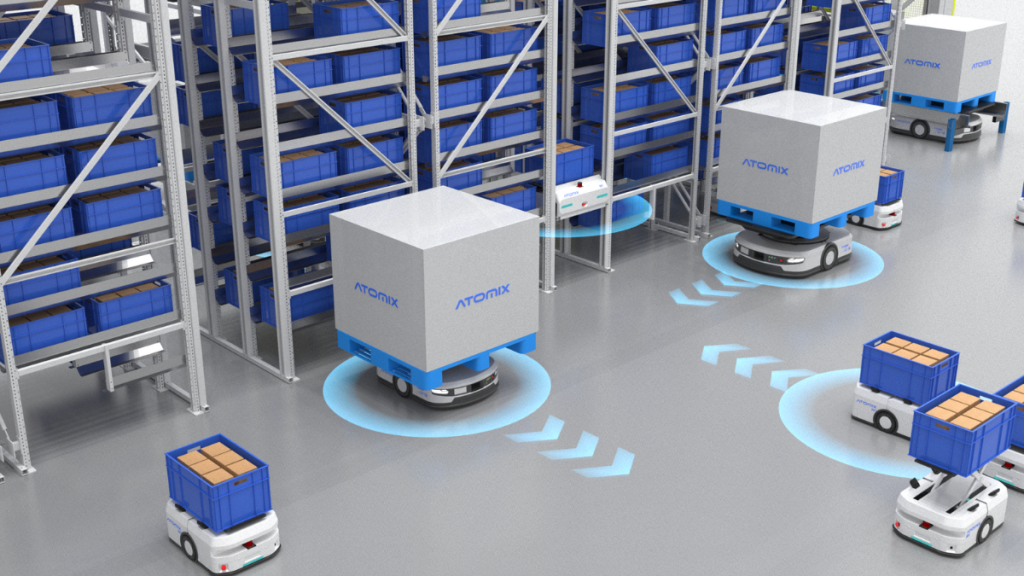
You just spent a massive chunk of your budget on a fleet of state-of-the-art robots.
They look incredible gliding across your floor. But if they aren’t actually talking to each other or coordinating with your inventory data, you basically just bought a bunch of expensive metal sculptures.
This is exactly where warehousing software steps in to save the day.
Let’s be totally honest, though. The logistics tech market is an absolute alphabet soup right now. Software vendors constantly throw around acronyms like WMS, WES, and RCS. It gets confusing fast. Picking the wrong tech stack doesn’t just waste money; it creates massive data silos and operational bottlenecks that kill your productivity.
We are going to decode this mess in plain English. By the end of this guide, you will know exactly how to build the ultimate, interconnected tech stack for your facility.
The Big Boss: What is a Warehouse Management System?
If someone on your team asks, “what is a wms,” or generally what is warehouse management system technology, you can simply tell them it is the overarching boss of your building.
It handles the high-level data. This system tracks your inventory levels, manages order receiving, and organizes your shipping logistics. It knows what product is sitting on which shelf.
But there is a major catch.
Good warehouse management system software knows exactly what needs to be done. It just isn’t very good at managing high-speed physical robots in real-time. It lacks the reflexes to handle the physical chaos of the floor.
The Workflow Middleman: Warehouse Execution System(WES)
So, who bridges the gap between the big boss and the workers? That is the specific job of a warehouse execution system(WES).
Think of it as the middle manager of your facility. It grabs the daily orders from the management system and figures out the best way to get them done. It optimizes the workflow.
For example, it might batch several orders together so your human workers (or machines) take the absolute most efficient path across the floor. Lately, modern execution platforms are starting to blur the lines, taking on slightly more direct machine control than they used to.
The Digital Floor Manager: What is a Warehouse Control System(RCS)?
Here is the missing puzzle piece for modern facilities. If you are adding robotics to your floor, a robot control system(RCS) is completely non-negotiable.
If the WMS is the boss, the control system is your hands-on floor manager. It directly commands the physical machines—whether that means conveyors, sorters, AS/RS, or mobile robots.
Wondering exactly how does robot control system work?
It operates in milliseconds. It literally stops robots from crashing into each other at intersections. It routes traffic around congested aisles and even manages when your robots need to go charge their batteries.
This is exactly what our Atomixer Software was built to do. Our software uses over 50 advanced deep learning algorithms to seamlessly orchestrate heterogeneous (mixed) fleets of robots without a hitch.
(Side note: If you are still trying to figure out which physical machines you actually need, check out our previous guide on [AGV vs. AMR: Which is Right for You?] before buying your software!)
Breaking Down the Key Differences
Let’s keep this super simple so you can scan it quickly and share it with your IT team.
- WMS: Handles the “What.” (Inventory data, customer orders, and tracking).
- WES: Handles the “When.” (Workflow optimization, task batching, and routing).
- RCS: Handles the “How.” (Direct machine control, collision avoidance, and robot traffic).
How to Choose a Warehouse Management System and Control Stack
You can’t just throw software at your facility and hope it fixes your bottlenecks. You need a strategy.
If you are figuring out how to choose a warehouse management system and build your digital ecosystem, use this quick buyer’s checklist:
- Audit Your Hardware First: Are you running a mostly manual operation with humans and forklifts? You will need heavy WMS features. Do you have a ton of automated robots zipping around? You desperately need an intelligent WCS to prevent chaos.
- Look for Tight Integration: Your new tools must play nice with each other. Make sure any robot control software you buy integrates flawlessly with your existing software wms via standard APIs.
- Focus on Scalability: Don’t buy a rigid system. Choose software that can easily handle adding new robot types later on without requiring massive custom coding projects.
Frequently Asked Questions (FAQs)
We talk to supply chain directors every single day. Here are the most common questions they are searching for online regarding facility software.
What is WMS in supply chain?
It is the central digital hub of your operation. It tracks your inventory from the exact moment it hits the loading dock until the second it leaves on a delivery truck. This ensures you have total supply chain visibility and never lose track of a pallet again.
How warehouse management system works with robots?
It starts with the customer. The WMS receives the customer order data and passes it down to the WCS. The control system then translates that data into physical movement commands, telling the specific robots exactly where to drive to pick up the item.
What is the best warehouse management system?
Honestly, the “best” choice depends entirely on your specific facility layout and needs. However, the most effective setups in 2026 always combine robust management data with a highly intelligent control stack (like Atomixer) to handle the physical automation safely.
Build a Smarter Ecosystem Today
You don’t always have to pick just one acronym. Modern, high-functioning facilities need these different platforms to talk to each other seamlessly.
Remember, your hardware is only as smart as the brain running it.
Discover how Atomix’s intelligent software integrates standardized robots into your existing workflows. Don’t let bad software slow you down. Book a meeting with our automation experts today and break the boundaries of your current operations.